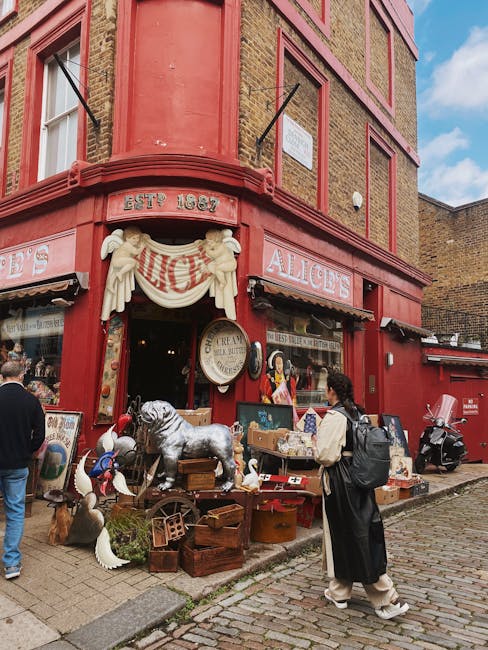
Notting Hill removals insider tips for Portobello Market days
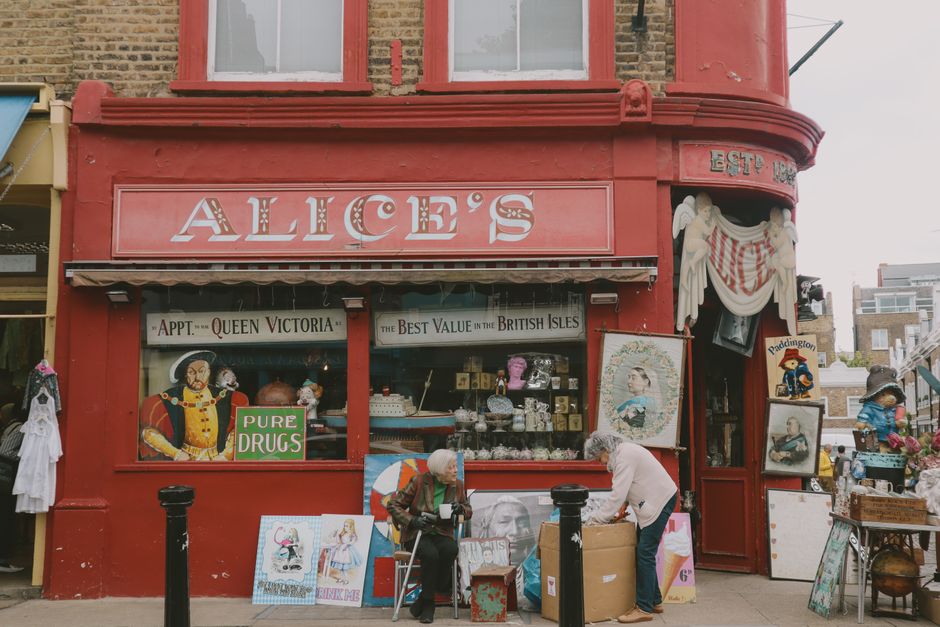
If you are planning a move in Notting Hill and Portobello Market is part of your normal route, the timing can make or break the day. Streets feel narrower, parking disappears fast, and a journey that looks simple on a map can suddenly turn into a slow shuffle of waiting vans, shoppers, and market traders. These Notting Hill removals insider tips for Portobello Market days are designed to help you move with less stress, fewer surprises, and a lot more control.
Whether you are moving a flat near Ladbroke Grove, shifting furniture across W11, or trying to book a man and van at the right time, the details matter. Truth be told, the best moves here are rarely the biggest ones. They are the best planned ones. In this guide, you will learn how market-day traffic changes the picture, what to do before the van arrives, and how to choose the right moving setup without overcomplicating things.
One quick note: not every move needs a full-scale removal truck, and not every problem is solved by starting earlier. Sometimes the smarter answer is a tighter route, lighter loading, or a simple bit of staging with packing and unpacking support. Let's get into the practical side.
Why Portobello Market days change everything
Portobello Market is brilliant for atmosphere. It is also a pain in the neck for access if you are moving at the wrong time. On market days, the area around Notting Hill becomes busier, slower, and less forgiving of poor planning. Vans can struggle to stop safely, pedestrians spill into the carriageway, and parking spaces that looked possible at 7am may be gone by 8am. If you have ever tried to carry a sofa while a tourist group blocks half the pavement, you already know the feeling.
This matters because removals are not just about lifting items. They are about movement in the wider sense: timing, route choice, loading order, and how long your team can keep the job efficient before the surroundings start getting in the way. In Notting Hill, the outside environment is part of the job, not background noise. Ignore it, and you can end up paying for idle time, last-minute changes, or an extra trip you did not budget for.
It also matters for neighbours and building management. A calm, tidy move is easier to approve and less likely to attract complaints. If you are working in a managed block, or moving from a property with tight stairwells, it is usually smarter to choose a service that understands local access, such as house removalists who are used to London conditions or a flexible man with van arrangement for smaller loads.
How Portobello Market day removals work in practice
At a basic level, a market-day move in Notting Hill works like any other removal: assess the volume, choose the right vehicle, pack carefully, load safely, transport, then unload and place items in the right rooms. The difference is that every stage needs more buffer time. You cannot assume you will pull up, unload immediately, and be out in ten minutes. Sometimes you will. Often you will not.
The best way to think about it is in layers:
- Access layer: Can the vehicle stop close enough to the property?
- Timing layer: Will market footfall affect your window for loading or unloading?
- Property layer: Are there stairs, lifts, loading restrictions, or narrow entrances?
- Load layer: Can the items be grouped so the most awkward pieces come off first?
In a busy local move, you often get the best results by breaking the process into smaller, more manageable parts. That may mean moving boxed items earlier in the week, using furniture pick-up support for a single bulky item, or hiring a vehicle that is easier to position than a larger truck. For example, a compact load moved before the market properly fills up can save more time than a bigger vehicle arriving later and sitting stuck in traffic. Simple, but true.
There is also a common sense rule here: the shorter the street access, the more disciplined your packing must be. If a sofa, wardrobe, or heavy desk is buried behind ten unlabelled boxes, the whole process slows down. Nobody enjoys that. Not the movers, not you, and definitely not the person holding the door open while everyone guesses what goes where.
Key benefits and practical advantages
The biggest benefit of planning around Portobello Market days is reduced friction. That sounds unexciting, but it is exactly what makes a move feel manageable instead of chaotic. Less friction means less waiting, fewer carrier-handling errors, and a much better chance of finishing on time.
Here are the practical advantages that matter most:
- Faster loading and unloading: With a sensible time slot, the crew can work without constantly stopping for traffic or crowds.
- Lower risk of damage: Fewer rushed carries often means fewer bumps against walls, railings, and door frames.
- Better use of labour: If your team is not waiting around for access, you are getting more value from the booking.
- Less stress for you: A calm move day changes the mood completely. You will feel it.
- More predictable costs: Avoiding delays can help reduce the knock-on effect of extra time or extra trips.
There is another benefit people sometimes miss: market-aware planning gives you more room to be flexible. If one route becomes awkward, a removal team that understands local movement patterns can adapt faster. That is especially useful for smaller jobs where a man and van setup can be adjusted quickly, or for larger home moves where a full home removals service is better suited to the volume.
Expert summary: In Notting Hill, the move is rarely just about the move. It is about timing your work around a district that is lively, attractive, and busy for exactly the same reasons people love it. Plan for the street you will actually face, not the one you imagine in your head.
Who this is for and when it makes sense
This approach makes sense for anyone moving in or around the Portobello Road area, but it is especially useful for:
- Residents moving flats or maisonettes with limited street access
- People who need to move on or near a market day, rather than choosing a quieter weekday
- Students, renters, and short-notice movers trying to avoid peak congestion
- Small business owners relocating stock, displays, or furniture
- Homeowners who want fewer surprises with bulky or fragile items
If you are dealing with a larger relocation, the operational needs start to look more like a planned project. In that case, a bigger vehicle such as a moving truck or a more structured commercial move might be the better fit. If you are moving an office or working around business hours, you may also want to review office relocation services rather than trying to improvise with a last-minute arrangement.
It also makes sense when you want to protect your own energy. Let's face it, moving is tiring enough before you add crowds, timing pressure, and the mild panic of not knowing where the loading bay has gone. A bit of local know-how makes a big difference.
Step-by-step guidance for a smoother move
Here is a practical way to approach a Notting Hill move on a busy market day without overcomplicating it.
-
Check the timing first.
Before booking anything, decide whether your move can happen earlier, later, or on a less congested day. Even a small shift in schedule can improve access. If your window is fixed, work backwards from that reality.
-
Measure the load honestly.
Walk through the property and write down the awkward pieces: wardrobes, beds, mirrors, white goods, desks, plants, and anything heavy or odd-shaped. This is where many people underestimate the job. A few hidden items can change the vehicle choice entirely.
-
Choose the right service level.
For smaller home moves, a man with van option may be enough. For larger family homes or multiple bulky items, consider house removalists or a dedicated truck hire setup. The goal is not to buy the biggest option. It is to buy the right one.
-
Pack in the order you will unload.
Label boxes by room and priority, not just by contents. For example, "kitchen - first day" tells everyone more than "plates". If the kettle, chargers, bedding, and toilet paper are at the bottom of the pile, the first evening becomes a bit miserable. Nobody needs that.
-
Prepare for walking distance.
Even with a well-placed vehicle, you may need to carry items a short distance. Use sturdy bags, folding trolleys if available, and sensible footwear. A pair of decent gloves can be a small mercy too.
-
Load the van strategically.
Heavy items should go in first, then stable boxes, then fragile items secured in gaps. Keep essentials accessible. If your crew has to dig for a screwdriver or mattress bag, the whole job slows down.
-
Allow an exit buffer.
Do not schedule your next commitment too tightly. Market-day movement is more unpredictable than a quiet residential street. A buffer stops one delay from turning into a domino effect.
Small moves are often more sensitive to timing than people expect. A couple of boxes and a bed frame can still become a headache if the street is packed and the lift is busy. So yes, the details matter. Quite a lot.
Expert tips for better results
Here are the tips that tend to make the biggest difference in real jobs, not just on paper.
- Book earlier than you think. On busy local days, availability and access windows can disappear quickly. A little advance planning is rarely wasted.
- Ask about vehicle size honestly. Bigger is not always better in Notting Hill. A smaller, more manoeuvrable vehicle may save time if the streets are tight.
- Split the move if needed. For some households, moving the essentials first and the bulky furniture second is simply smarter.
- Keep one room clear. If the property is partially emptied, reserve a small staging area for tools, keys, documents, and valuables.
- Protect the corners. Door frames, banisters, and walls get knocked more often than people expect. Corner guards or simple padding can help a lot.
- Communicate special items early. Tell your moving team about pianos, glass tables, antique pieces, or oversize wardrobes before the day. No surprises, ideally.
One overlooked move-day tip: keep a short written list of what must happen first at the new property. You may think you will remember everything. Then the door opens, the phone rings, and suddenly the list is gone from your head. It happens.
If you need heavy lifting, extra vehicle space, or a more structured booking, you may find removal truck hire useful. For straightforward items that just need collecting and shifting, a furniture pick-up arrangement can be a cleaner fit than booking a full move.
Common mistakes to avoid
Most problems on Portobello Market days come from a few predictable mistakes. The good news is that they are avoidable.
- Assuming access will be easy. It rarely is, especially near busy stretches and popular junctions.
- Packing too late. Last-minute packing leads to chaos, broken boxes, and a lot of double handling.
- Choosing the wrong vehicle. A vehicle that is too large can be harder to place; one that is too small creates second trips.
- Ignoring building rules. Some blocks need notice for lifts, loading bays, or moving hours.
- Not protecting fragile items. Market-day pressure should not be the excuse for a cracked mirror or damaged frame.
- Forgetting parking contingency. If the first plan fails, you need a backup rather than guesswork.
There is also a subtler mistake: trying to do everything yourself just because the job looks small. A one-bedroom move can still be awkward if there are stairs, a long carry, or several heavy items. In those situations, a well-planned moving service can be more efficient than a heroic DIY attempt. Heroic is nice in films. Less so on removal day.
Tools, resources and recommendations
You do not need fancy gear to move well in Notting Hill, but a few basics will make life easier.
| Tool or item | Why it helps | Best use case |
|---|---|---|
| Strong boxes | Protects contents and stacks more safely | Books, kitchenware, mixed household items |
| Label tape or markers | Makes unloading faster and more organised | Any move with multiple rooms |
| Furniture blankets | Reduces scuffs and surface damage | Wooden furniture, frames, painted items |
| Gloves | Improves grip and protects hands | Heavy boxes, awkward furniture, outdoor carries |
| Trolley or sack truck | Helps move heavier items over short distances | Flats with longer walkways or courtyards |
As for service choices, think about the job in layers. A home move may need a full home moves package. A smaller household load might be fine with man and van or man with van. A commercial relocation is a different beast altogether and may be better handled through commercial moves. Different problem, different tool. Sounds obvious, but people get it wrong all the time.
For company information, service scope, or general trust-building before you book, you can also review the about us page. If you already know the basics and simply need to talk through a booking, the contact us page is the sensible next stop.
Law, compliance, standards and best practice
When removals take place in a busy London neighbourhood, best practice matters. You do not need to turn the day into a legal seminar, but you do need to respect practical rules around parking, access, pedestrian safety, and building management. Councils and local estates often have their own expectations for loading and stopping, and these can vary by street or property. That means the safest approach is to check what applies to your exact location rather than assume last time's arrangement will still work.
Good moving practice usually includes the following:
- Keeping pavements and entrances as clear as possible
- Avoiding unsafe lifting or blocking of exits
- Using suitable equipment for heavy or fragile items
- Following building instructions on lifts, floor protection, or move windows
- Confirming the terms of hire, arrival times, and responsibilities before the day
It is also sensible to read the provider's terms and conditions so you know what is included, what is not, and how changes or delays are handled. If you are handling personal information during a business move, a careful look at the privacy policy can also be worthwhile. Not exciting, granted, but still part of a tidy, professional process.
Best practice is really about keeping everyone safe and keeping the move predictable. When those two things line up, the whole experience becomes much easier.
Options, methods and comparison table
Choosing the right method depends on the amount you are moving, how awkward the access is, and how quickly you want the job finished. Here is a straightforward comparison to help you decide.
| Option | Best for | Strengths | Watch-outs |
|---|---|---|---|
| Man and van | Small to medium moves, flexible timing | Manoeuvrable, practical, often quicker in tight streets | May not suit large households or many bulky items |
| Man with van | Light moves, single-room loads, one-off items | Simple, cost-conscious, good for short-distance work | Limited capacity for larger furniture sets |
| Moving truck hire | Bulkier household loads or more organised relocations | More capacity, fewer trips, better for structured packing | Can be harder to position on busy market days |
| House removalists | Full home moves with stairs, furniture, and careful handling | Professional handling, better for complex jobs | May be more than you need for a very small move |
If you are unsure which route fits best, start with the size of your load and the realities of the street. That tends to answer the question faster than price shopping alone. A cheap option that cannot access the property properly is not actually cheap. It just looks that way at the beginning.
Case study or real-world example
A typical local scenario goes like this. A couple in a first-floor flat near Portobello Road needs to move out on a busy Saturday because their lease ends. The furniture is modest: a bed, a sofa, a dining table, three shelving units, and around twenty boxes. At first glance, they think a large van would be safest. Then they check the street conditions and realise the market crowd, the limited stopping space, and the carry distance would make a bigger vehicle more awkward than helpful.
So they split the move into two stages. Fragile and essential items are packed first. The van arrives early, before the busiest footfall, and the team loads the heavier items while the street is still manageable. The second trip takes boxes and smaller pieces once the busiest period has eased slightly. No drama, no block to the pavement for long, and no panic when a delivery vehicle briefly slows the road. Not glamorous, but effective.
The key lesson? The best result came from adapting to the area rather than fighting it. They did not need the fanciest solution. They needed the one that fit the street.
Practical checklist
Use this simple checklist before move day. It is a small thing, but it keeps people sane.
- Confirm the move date and realistic arrival window
- Check how market-day traffic may affect access
- Measure large furniture and tight doorways
- Choose the right vehicle or service type
- Label boxes by room and priority
- Pack essentials separately for the first 24 hours
- Protect floors, corners, mirrors, and tabletops
- Share access details with the moving team in advance
- Keep keys, documents, chargers, and valuables with you
- Leave a small buffer in your schedule for delays
If you tick off those items, you are already ahead of most rushed moves. Really.
Get a free quote today and see how much you can save.
Conclusion
Moving in Notting Hill on Portobello Market days is absolutely doable, but it rewards people who plan with the area in mind. The streets are busy for a reason: they are part of one of London's most recognisable neighbourhoods. That means access needs attention, timing matters, and the right moving method can save a lot of stress. Small decisions add up quickly here.
The smartest moves tend to be the ones that stay flexible. Choose the right service for your load, pack with the end in mind, and give yourself enough room for the unexpected. That is really the heart of these Notting Hill removals insider tips for Portobello Market days: practical, local, and grounded in how the area actually works. A bit of preparation goes a long way, and on a busy market day, that can be the difference between a messy afternoon and a move that feels under control. Which, let's be honest, is what most of us want.
Take it steady, keep it organised, and the day will feel much lighter than you feared.
Frequently Asked Questions
What makes Portobello Market days difficult for removals?
The main issues are traffic, pedestrian density, limited stopping space, and slower loading times. Even a short move can take longer if the street is busy.
Is a man and van service enough for a Notting Hill move?
For smaller moves, yes, often it is. If you have fewer items, lighter furniture, or a short local trip, a man and van arrangement can be a sensible choice.
Should I avoid moving on a Portobello Market day altogether?
If you can choose another day, that is usually easier. But if your timing is fixed, a well-planned move can still work. The key is to allow more time and plan access carefully.
What size vehicle is best for Notting Hill streets?
It depends on the load, but smaller, more manoeuvrable vehicles often work better where access is tight. Bigger is not always better if parking and loading are difficult.
Do I need professional removalists for a flat move in Notting Hill?
Not always, but professional help becomes valuable when there are stairs, bulky furniture, fragile items, or limited parking. In many cases, house removalists can make the day far smoother.
How early should I book removals for a busy market day?
As early as you reasonably can. Busy local days tend to compress availability and make flexibility harder, so earlier booking helps you secure a better time slot.
What should I pack separately for immediate access?
Keep essentials like chargers, documents, keys, basic toiletries, bedding, and a kettle or tea-making kit separate. That first evening will feel much more settled.
Can removals include furniture pick-up only?
Yes. If you only need one or two items collected, a dedicated furniture pick-up service may be more appropriate than a full house move.
What should businesses do if they need to relocate near Portobello Road?
Commercial moves need a different level of planning, especially if stock, desks, or equipment are involved. A structured commercial moves service is usually the better starting point.
What if my move involves office furniture or equipment?
Office relocations are best handled as a planned project, not a quick van job. If that sounds like your situation, it is worth looking at office relocation services and confirming the access plan early.
Are there compliance issues I should think about?
Yes, especially around parking, access, building rules, and safe handling. You should also review the provider's terms and conditions so responsibilities are clear before move day.
Where can I get more information before booking?
Start with the service pages that match your move size, then check the about us page for background and the contact us page if you want to talk through the details directly.